April 2, 2026
A commercial epoxy floor has become one of the most trusted flooring systems in modern business environments. From warehouses and hospitals to retail stores and manufacturing facilities, companies rely on epoxy for long-term durability and performance. Unlike traditional flooring materials that may crack, stain, or wear down quickly, epoxy creates a seamless and resilient surface designed to handle demanding conditions. Businesses looking for a long-term solution often find that this flooring option delivers both strength and visual appeal.
According to Yahoo Finance, the global floor coatings market is expected to grow 8.1% between 2023 and 2031. This steady growth reflects increasing demand for dependable surfaces that can withstand heavy use. Choosing a commercial epoxy floor is not just about appearance. It is about investing in a system that supports productivity, safety, and long-term cost control.
Durability and Long-Term Performance
Chemical Resistance
Facilities that handle chemicals, oils, or cleaning agents need surfaces that will not deteriorate after repeated exposure. Epoxy forms a dense, protective barrier that prevents liquids from seeping into the concrete below. This protection helps extend the life of the floor while reducing the risk of structural damage. In industries such as food processing, healthcare, and automotive repair, chemical resistance is essential for maintaining safety and cleanliness standards.
Impact Strength
Heavy machinery, dropped tools, and constant equipment movement can quickly damage weaker flooring materials. A commercial epoxy floor is engineered to absorb impact without cracking or chipping. Multiple layers of resin create a thick, supportive surface capable of handling forklifts, pallet jacks, and other heavy loads. This durability helps prevent costly downtime and repairs.
Resistance to Wear and Abrasion
High-traffic areas often show signs of wear within a short period of time. Epoxy coatings are highly resistant to scratches and abrasions, allowing the floor to maintain its smooth finish for years. Retail stores, airports, and large office spaces benefit from a flooring solution that keeps its polished appearance even with constant foot traffic.
Temperature Tolerance
Temperature changes can cause some flooring materials to expand, contract, or crack. Epoxy coatings are formulated to handle both hot and cold conditions without losing adhesion. Cold storage facilities, commercial kitchens, and manufacturing plants with fluctuating temperatures rely on epoxy to maintain structural integrity in challenging environments.
Load-Bearing Capacity
Concrete alone may weaken under continuous heavy loads. When reinforced with epoxy, the surface becomes significantly stronger. A commercial epoxy floor can support heavy shelving systems, industrial equipment, and large volumes of inventory without showing signs of stress. This added strength ensures reliable performance over time.
Cost Efficiency Over Time
Installation Investment
The upfront cost of epoxy installation may be higher than some alternatives. However, long-term savings often outweigh the initial expense. Because epoxy lasts longer and requires fewer repairs, businesses avoid repeated replacement costs. Investing in a commercial epoxy floor often results in lower overall ownership expenses.
Low Maintenance Requirements
Maintenance plays a major role in operational efficiency. Epoxy surfaces are smooth and nonporous, making them easy to clean. Routine sweeping and occasional mopping are typically sufficient to maintain the finish. Since the surface resists staining and moisture penetration, cleaning crews spend less time addressing stubborn marks or damage.
Reduced Repair Costs
Minor surface damage can often be repaired without replacing the entire floor. The durable nature of epoxy means that serious structural problems are rare when the floor is properly installed. Fewer repairs translate into lower maintenance budgets and fewer interruptions to daily operations.
Energy Efficiency
Epoxy coatings often have reflective properties that enhance interior lighting. Improved brightness can reduce the need for additional light fixtures, lowering electricity consumption in large facilities. Over time, energy savings contribute to the overall financial advantages of choosing epoxy flooring.
Increased Property Value
Commercial properties equipped with high-quality flooring tend to attract tenants and buyers more easily. A well-maintained commercial epoxy floor signals durability and professionalism. This visual and functional appeal can positively influence property value and leasing potential.
Aesthetic Flexibility
Custom Design Options
Epoxy flooring is available in a wide range of colors, textures, and finishes. Businesses can select solid colors, decorative flakes, or metallic finishes to match branding or design goals. This flexibility allows companies to combine durability with a visually striking interior.
Seamless Appearance
One of the defining characteristics of a commercial epoxy floor is its seamless surface. Without grout lines or joints, the floor appears clean and modern. The absence of seams also reduces areas where dirt and bacteria can accumulate, making sanitation easier to manage.
Enhanced Workplace Atmosphere
A bright and polished floor can improve the overall environment within a facility. Employees often benefit from well-lit and clean surroundings that support productivity. Customers visiting retail or showroom spaces also appreciate a professional appearance that reflects quality.
Brand Integration
Logos, safety markings, and directional guides can be incorporated directly into epoxy coatings. This capability allows businesses to reinforce branding while improving organization and traffic flow. Integrated design elements contribute to both marketing and operational efficiency.
Long-Lasting Visual Appeal
Unlike some flooring materials that fade or discolor over time, epoxy maintains its finish under heavy use. Resistance to stains and UV exposure helps preserve color and shine. Businesses can maintain a consistent look without frequent refinishing.
Safety Advantages
Slip-Resistant Options
Safety is a top priority in commercial settings. Additives can be mixed into epoxy coatings to improve traction. These slip-resistant features help reduce accidents in areas prone to spills or moisture, such as kitchens or manufacturing floors.
Fire Resistance
Some epoxy formulations include fire-retardant properties that slow the spread of flames. This added layer of protection contributes to overall building safety and may assist with regulatory compliance in certain industries.
Improved Air Quality
The nonporous surface of epoxy prevents dust and allergens from settling into cracks or seams. Cleaner floors support better indoor air quality, which benefits both employees and visitors. Facilities focused on hygiene, such as healthcare environments, value this feature.
Clear Markings for Organization
Safety lines and hazard indicators can be embedded into the flooring system. Clearly defined pathways and loading zones improve workflow while reducing confusion. A commercial epoxy floor supports efficient movement throughout large facilities.
Regulatory Compliance
Many industries must follow strict health and safety guidelines. Epoxy flooring systems can be customized to meet specific standards, helping businesses remain compliant with workplace regulations. Reliable flooring contributes to a safer operational framework.
Professional Installation and Maintenance
Surface Preparation
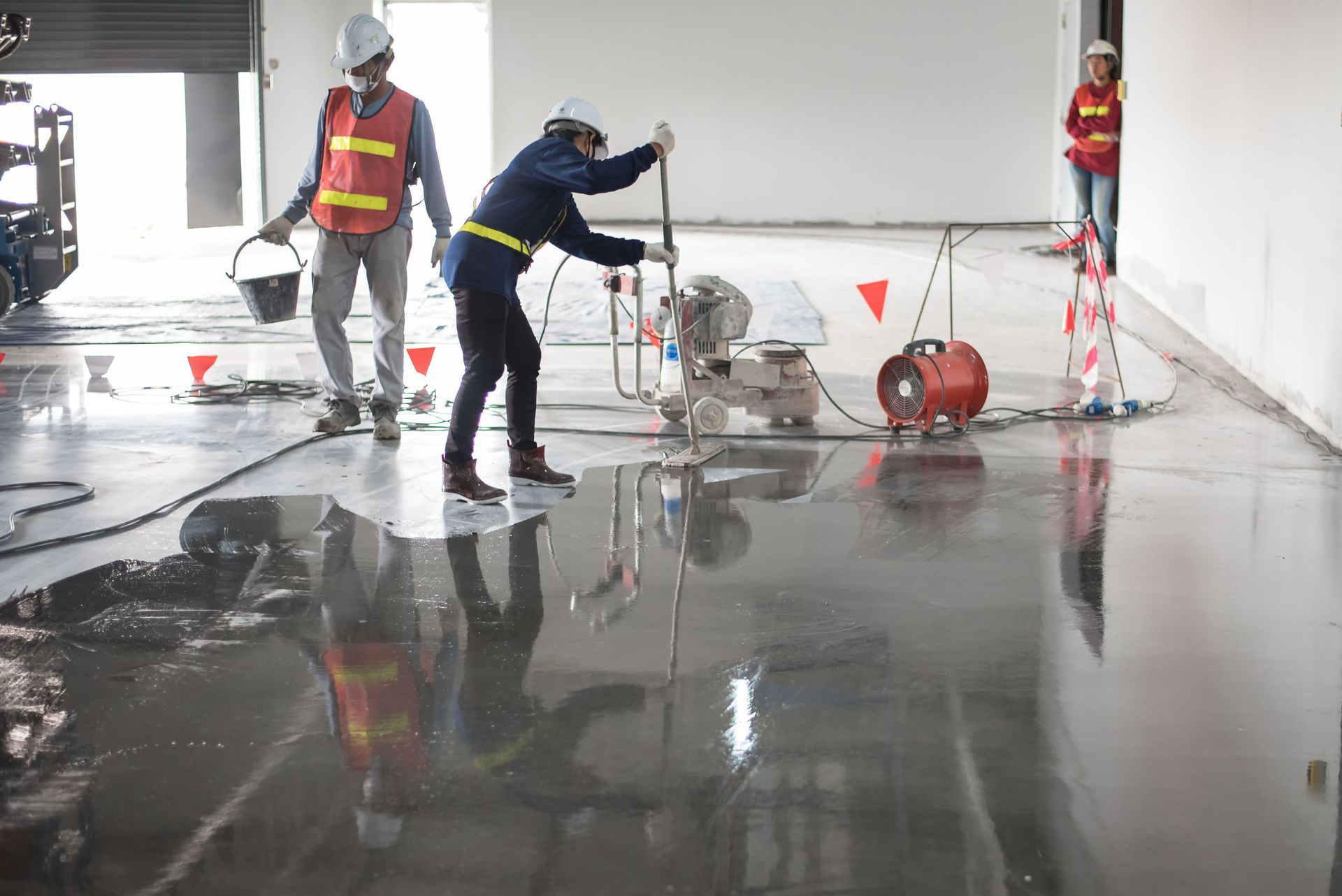
Proper preparation of the concrete substrate ensures strong adhesion. The surface must be cleaned, repaired, and profiled before epoxy application begins. Careful preparation lays the foundation for long-term durability.
Application Process
Epoxy is typically applied in multiple layers to build thickness and strength. Each layer must cure properly before the next is added. Skilled professionals understand how temperature and humidity affect curing times, ensuring a consistent finish.
Curing and Performance
Allowing the floor to cure fully is essential for achieving maximum hardness and resilience. Once cured, the coating forms a tough surface capable of handling daily commercial demands. Premature use can compromise results, which is why professional guidance is important.
Professional Versus DIY
Although some may consider installing epoxy themselves, professional installation often produces superior results. Experts have the tools and experience to prevent bubbles, uneven layers, and adhesion failures. A properly installed commercial epoxy floor delivers reliable performance for many years.
Ongoing Care
Routine cleaning and periodic inspections help extend the life of epoxy flooring. Addressing small issues early prevents larger problems from developing. With consistent care, businesses can expect decades of service from their flooring investment.
A commercial epoxy floor stands out for its durability, cost efficiency, safety features, and design flexibility. From resisting chemical spills to supporting heavy machinery, epoxy provides performance that traditional flooring systems struggle to match. Its seamless finish enhances cleanliness, while customizable options allow businesses to maintain a professional appearance. Long-term savings, reduced maintenance demands, and environmental benefits further strengthen its value. For organizations seeking a flooring solution that delivers consistent results year after year, epoxy remains one of the most dependable choices available. For more information, contact AMC Shot Blasting & Demolition.